August 8, 2026
The Table That Never Came Back
Written by: Tino Noir
They didn't leave because something went wrong. They left because nothing went right enough.
You probably don't remember the night it happened. That's the point.
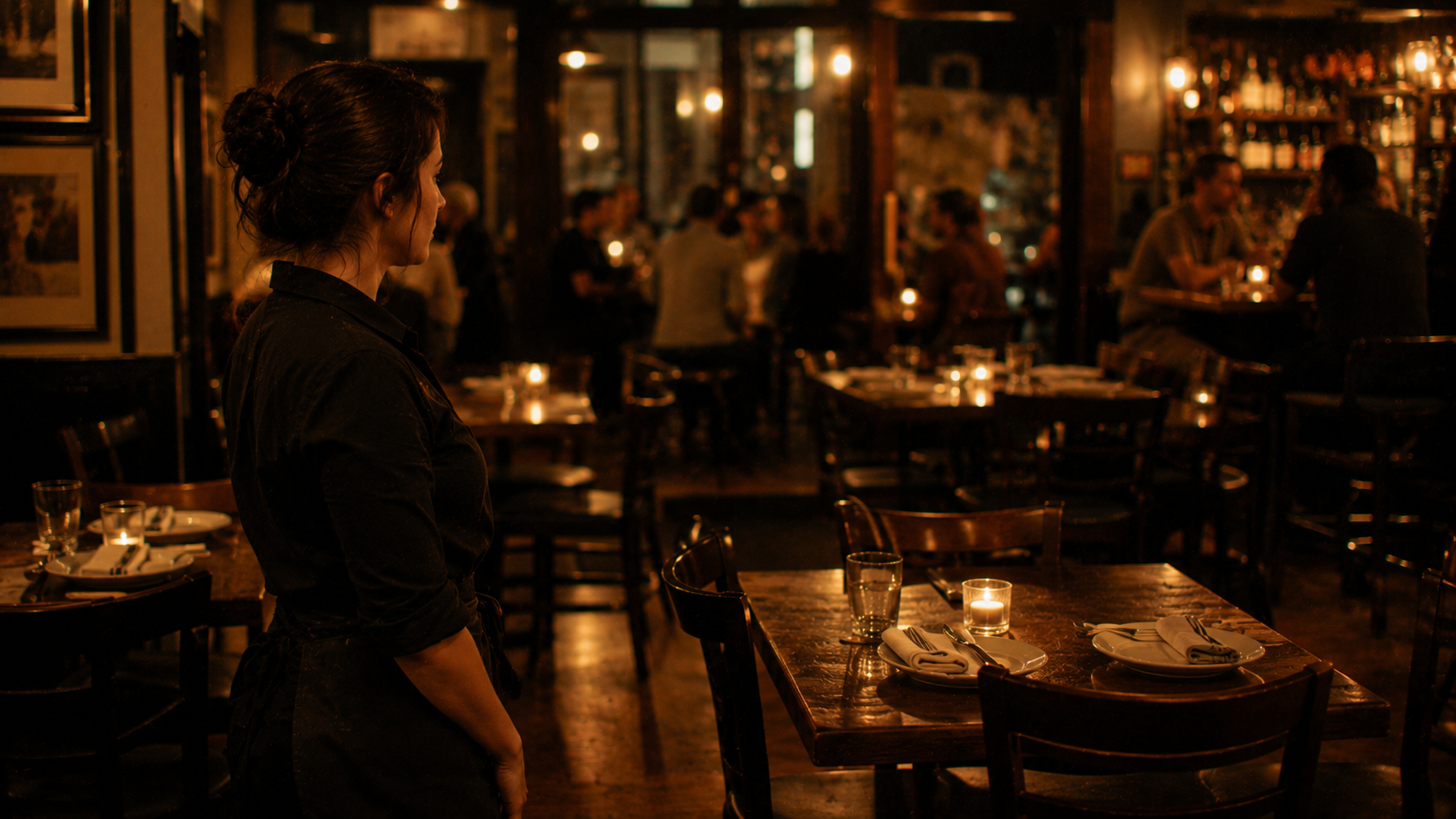
They came in four times in six weeks. Always the same two people, always the same corner, always happy to be there. The kind of guests you notice without quite registering — good energy, easy to serve, no trouble. The fourth visit they were a little quieter than usual. You were slammed. You got them their drinks, you got them their check, you moved on. They haven't been back since.
This is the part of hospitality nobody measures. The churn that happens not because something went wrong, but because nothing went right enough. No bad review, no complaint, no incident. Just a table that came in looking to feel like regulars and left feeling like customers.
The research on customer retention in service industries is consistent on one point: people don't leave because of bad experiences nearly as often as they leave because of neutral ones. The threshold for becoming a regular is surprisingly specific — it's the moment when someone behind the bar demonstrates that they remember.
That proof is almost always a small thing. A name used correctly. A reference to something mentioned last time. A drink started before it's ordered. These aren't grand gestures. They're signals. And the absence of them, over enough visits, reads as indifference — even when indifference was never the intention.
WHAT THE FOURTH VISIT ACTUALLY MEANS
There's a window in every potential regular relationship. It's roughly visits two through five. Before that, you're still strangers. After that, the pattern is either established or it isn't. The fourth visit is almost always the moment of truth — the visit where the guest is quietly asking whether this place knows them yet.
If the answer is yes, they're yours. If the answer is no, they start the slow drift toward somewhere that might do better. Most service workers don't know the window exists because nobody ever told them. It's not in the training. It's not on the checklist. It's just the invisible architecture of how regulars are made — and how they're lost.
THE HABIT THAT KEEPS THE WINDOW OPEN
After any guest that felt like a potential regular — someone who came back, someone who lingered, someone who seemed genuinely happy to be there — take thirty seconds before the next thing. Name. What they ordered. One thing they said or one thing you noticed. That's it.
You won't always get it right. Some of the people you try to remember won't come back anyway. But the ones who do will walk into a room where someone is ready for them. And that changes everything about what happens next.
TAOBAR Host Mode keeps that thirty-second note somewhere it doesn't get lost. The window is always open somewhere. The question is whether you're ready when they walk back through it.
TAOBAR
Walk in ready.
TAOBAR is live on iOS. Download the beta and walk in ready.